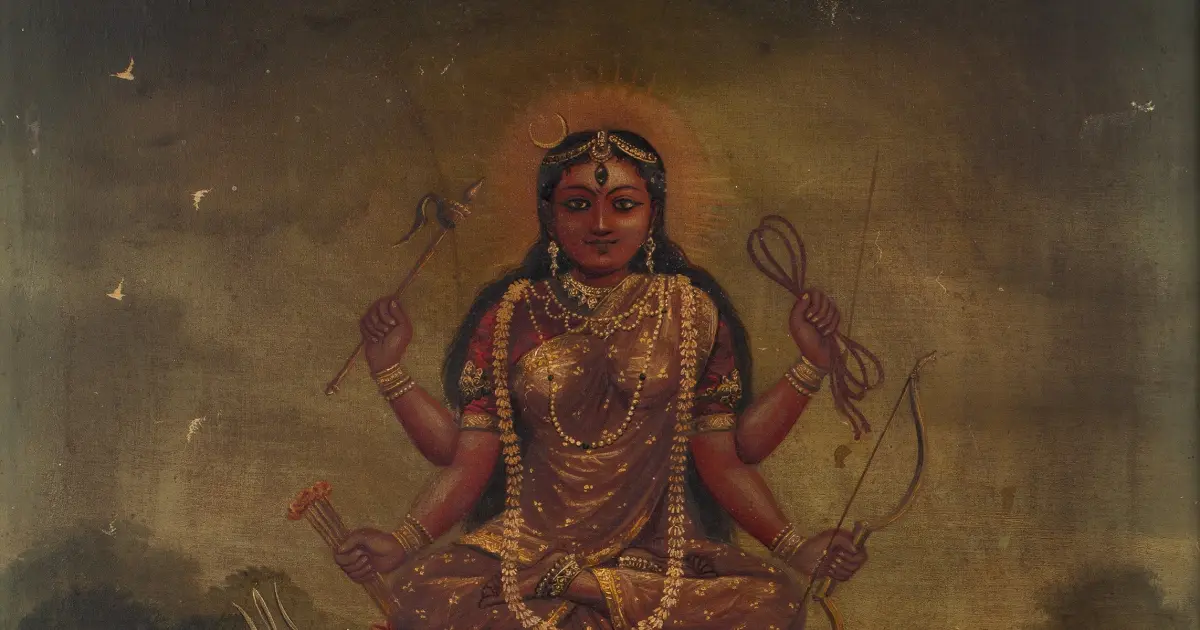
A web-friendly, balanced guide across medical, scientific, religious, and practical perspectives
“A woman is the Creator of the Universe…
There is no prayer equal to a woman.”
— Śakti-Saṅgama Tantra II.52
At a glance
-
Menstruation has medical and scientific realities that affect energy, mood, and wellbeing.
-
In Hindu traditions, guidance varies across texts, sampradāyas, regions, and eras. Some practices recommend rest and reduced ritual activity; others emphasize that bhakti and remembrance are never barred.
-
Menstruation is treated as sacred power in certain Śākta and Tantric contexts (e.g., Ambubachi Mela at Kamakhya), while other texts frame it as a time for temporary restrictions.
-
Across other religions, you’ll find a spectrum—from historic taboos to modern, minimal restrictions.
-
Practically: prioritize health, dignity, consent, and household harmony. Where tradition asks for restraint, many families choose mental worship (mānas-pūjā), rest, and service without requests for a few days.
Why this guide
Misreadings (sometimes by unqualified commentators) have led to confusion and stigma around menstruation. This article offers a clear, respectful overview—with corrected grammar, accessible headings, and concise sections—so readers can understand the topic from multiple angles and make informed, compassionate choices at home and in community.
How to use this guide
-
Scan the headings to find what you need.
-
Use “Practical takeaways” at the end of key sections.
-
See the FAQ for common real-life scenarios.
-
Treat scriptural notes as context, not as one-size-fits-all rules—Hindu practice is diverse.
1) Medical perspective: what your cycle can tell you
A regular period is a monthly “health dashboard” reflecting coordinated signals among the brain (hypothalamus, pituitary), ovaries, thyroid, adrenals, and metabolism. Disruptions can show up first as cycle changes and may correlate with PMS, fatigue, weight changes, or other concerns.
Potential benefits of tracking your cycle
-
Spot hormonal balance/imbalance early.
-
Better plan for exercise, rest, and nutrition.
-
Understand libido and mood rhythms.
-
Make informed health decisions with a clinician when needed.
Practical takeaway: Honor your body’s needs. If cramps, migraines, or fatigue are significant, rest is appropriate, and households can adjust expectations accordingly.
2) Scientific overview (in brief)
-
Onset: Typically ages 10–13, triggered by follicle-stimulating hormone (FSH) and ovarian hormones (estrogen, progesterone).
-
Cycle length: Often ~28 days (varies).
-
Phases:
-
Menstrual
-
Follicular
-
Ovulatory
-
Luteal
-
-
Reproductive span: Generally until ~45–50 years of age.
Practical takeaway: Fluctuating hormones influence energy, focus, and stamina. Build schedules and rituals with flexibility during heavy-flow or high-symptom days.
3) Hindu religious perspectives (diverse and nuanced)
3.1 “For participation” (the bhakti-first view)
-
Śruti vs. Smṛti: Many restrictions arise from Smṛti (tradition), not Śruti (revealed texts). Smṛti adjusts with time, place, and circumstance.
-
Bhakti is never barred: Remembering, chanting, or mentally offering devotion is consistently upheld. As the lives and teachings around Śrī Caitanya emphasize, nāma-saṅkīrtana can be performed anywhere, by anyone.
-
Consciousness over contact: Several teachers note the purity of mind and intention matters most; outward “contamination” is secondary.
Practical takeaway: If your community allows, continue chanting, study, and mental worship. Where physical restrictions exist, mānas-pūjā is a respected middle path.
3.2 Coming-of-age (Ritu-kāla saṁskāra)
When a girl attains menarche, many families celebrate with a cleansing and blessing ceremony invoking Gaṇeśa and Ādi-Parāśakti. This marks the transition to adolescence and honors fertility and responsibility.
Practical takeaway: Such rites affirm dignity and joy, not shame. They can include education on health and personal agency.
3.3 Tantra and Śākta symbolism
-
Tantra (philosophy and ritual technology) includes strands where yoni (womb/vulva) symbolizes Śakti—the creative force.
-
At Kamakhya (Assam), the Ambubachi Mela venerates the Goddess’s annual menstruation (temple rests three days; devotees resume darśan afterward; angodak and aṅgavastra prasad traditions observed).
-
Shakti Pīṭhas: Sites sanctified by parts of Satī’s body; Kamakhya is associated with the yoni—a powerful affirmation of feminine generativity.
Practical takeaway: In many Śākta contexts, menstruation is sacred potency, and rest for the Deity during Ambubachi mirrors rest for women—not exclusion, but reverent pause.
3.4 Texts urging restraint (“Against participation” during menses)
Some Purāṇic passages and traditional manuals advise temporary withdrawal from certain rites during menstruation, often explained as a time of rest, hygiene, and energetic alignment. Historic rules also reflected older sanitation realities.
Practical takeaway: Where families or temples uphold restraint, honor the house rule while embracing mental worship, kīrtan, study, and seva that doesn’t involve sancta handling.
4) Observing Ambubachi at home (simple outline)
Days 1–3 (Goddess at rest):
-
Gently cover the home shrine/Deities.
-
Offer simple fruits, warm milk, water (no requests—only gratitude).
-
Perform āratī mentally or softly with minimal handling.
Day 4 (re-opening):
-
Clean and redress the altar.
-
Offer elaborate vegetarian dishes and fruits.
-
Present heartfelt prayers; if you wish to ask for boons, do so with clarity and humility.
5) Other religions (brief comparative context)
-
Christianity/Judaism: Historical taboos (e.g., Levitical purity laws) once restricted contact and worship; many modern communities no longer enforce such rules, while some Orthodox traditions still do.
-
Islam: The Qur’ān prohibits sexual relations during menstruation; many jurists advise refraining from ṣalāt and entering mosques, with duʿā’ and remembrance encouraged.
-
Buddhism: Generally frames menstruation as a natural process; practices vary regionally.
Practical takeaway: Taboos are often historical-cultural. Today, many communities emphasize dignity and discretion over prohibition.
6) Why do taboos persist?
Scholars point to a mix of sanitation concerns in pre-modern settings, symbolic ideas of sacred power, and patriarchal structures. In Śākta Tantra, menstrual blood can be viewed as potent/sacred; elsewhere it’s treated as ritually inauspicious—not as a moral judgment on women, but as a period set apart.
Practical takeaway: Move from stigma to sense: support health, privacy, and choice, and let household consensus guide specific observances.
7) Common-sense guidance at home
-
Health first: If you’re in pain or exhausted, rest.
-
Cleanliness: Use modern hygiene; keep the prayer space orderly.
-
House rules: If your family observes a “no handling” period, choose chanting, listening, reading, or silent japa.
-
Safety & comfort: No one should feel shamed. Menstruation is not a moral fault.
-
Community settings: Where temple policy requests abstention from touching mūrtis or entering garbhagṛha, you can still attend respectfully (if permitted) or worship mentally.
8) FAQ (real-world scenarios)
Q1. My period started on the morning of a planned pūjā. What now?
A. Options include:
-
Proceed with mānas-pūjā (mental worship) while another family member performs physical offerings, or
-
Reschedule if your tradition requires, or
-
If your sampradāya allows, perform simple, respectful worship without handling sancta.
Q2. What if only menstruating women are present (no one else to cook or do ārati)?
A. Many teachers emphasize that seva should not stop. Where community norms allow, continue simple cooking and basic worship; otherwise offer japa, kīrtan, and readings and do the full rite later.
Q3. Can I chant Hanuman Cālīsā or other stotras during my period?
A. Yes. Chanting, remembrance, and listening to kathā/bhajans are always appropriate.
Q4. Should a lamp (dīp) remain in a bedroom if the occupant is menstruating?
A. Preferably, keep the prayer area separate from sleeping spaces for general cleanliness. If needed, move the lamp for a few days.
Q5. Weddings, funerals, or vrats that collide with my cycle—what’s practical?
A. Most families choose dignified participation within house/temple norms (e.g., no sanctum handling, but presence, chanting, and blessings). When a vow spans weeks (e.g., nine Saturdays), many continue with adjusted observance rather than restarting indefinitely.
9) Positive reframing
-
Menstruation is a physiological cleanse and, in many Śākta frames, a sacred potency.
-
Resting from strenuous ritual tasks can be self-care, not exclusion.
-
Dignity, agency, and devotion can coexist—choose practices that uphold respect for women and reverence for the Divine.
10) Sources & acknowledgements (selected)
Hindu scriptural and traditional references include the Bhagavad Gītā, Śrīmad Bhāgavatam, Śiva Purāṇa, Garuḍa Purāṇa, Kalikā-Purāṇa, Yoginī-Tantra, Kula-cūḍāmaṇi Tantra, Kāmākhyā Tantra, discussions in smārta and Gauḍīya practice, and contemporary teachings from respected swamis and scholars. Comparative notes reference Levitical passages, Islamic jurisprudence, and Buddhist custom where relevant.
(This guide presents context, not a verdict. Interpretations and practices vary by sampradāya, region, and family tradition.)
11) Disclaimer
Dipika (the original compilers cited in the manuscript) positions itself as an independent repository of Hindu guidance, recognizing variation across organizations and traditions. This web-friendly rewrite preserves the spirit and balance of the content while improving readability and tone.
12) A final word
Honor the body. Respect tradition. Center compassion.
Menstruation should never diminish a woman’s dignity or access to devotion. Where customs ask for rest, let it be rest with reverence—not shame. Where scripture exalts the Mother, let households exalt their mothers and daughters with understanding, care, and joy.
Jai Mā.